
What That Dashboard Warning Light Really Means
That glowing symbol on your dash isn't always an emergency — but some are. Here's what each warning light means, what to do right now, and roughly what the fix costs in the GTA.
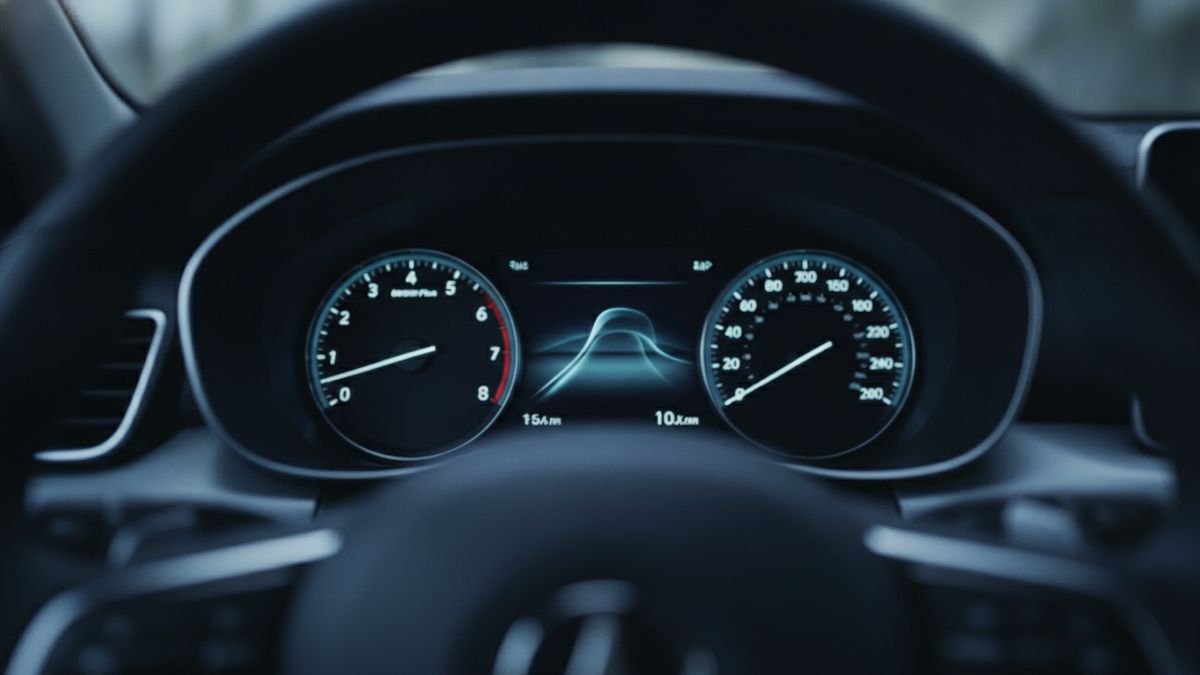
First, Read the Colour — It Tells You How Fast to Act
Before you worry about which symbol lit up, look at its colour. Carmakers use a traffic-light system that works the same way across almost every make sold in Canada, from a Honda Civic to an F-150.
- Red means stop safely as soon as you can. Something needs immediate attention and continuing to drive risks real damage or a safety failure.
- Amber or yellow means a system needs service soon, but you can usually keep driving carefully and book an appointment in the next few days.
- Green or blue is purely informational — it's just telling you a feature like your headlights or cruise control is active. Nothing is wrong.
So the single most useful habit is this: if a red dashboard warning light comes on while you're moving, find a safe place to pull over and assess. If it's amber, you have breathing room to figure out the cost and compare your options rather than reacting in a panic.
Check Engine Light: The Most Misunderstood Symbol on Your Dash
The check engine light — an amber engine outline, sometimes with the words 'Check Engine' — is the one that causes the most anxiety and the most confusion. It covers hundreds of possible fault codes, from trivial to serious. The single most common cause? A loose or worn gas cap breaking the fuel-vapour seal. Tighten it and the light may clear itself after a few drives.
Here's the key distinction. A steady amber check engine light means service soon — you can keep driving normally and get it scanned. A flashing check engine light is different: it usually signals an active engine misfire that can dump raw fuel into and destroy your catalytic converter. If it's flashing, ease off the throttle and get to a shop promptly.
Any shop or parts store can pull the trouble code with an OBD-II scanner in a couple of minutes. Common repairs and rough GTA prices (parts and labour, as estimates that vary by vehicle): gas cap replacement $20–$60; oxygen sensor $200–$500; ignition coil or spark plugs $250–$600; catalytic converter, if it's already damaged, $1,200–$3,000+. Because that range is so wide, a diagnosis first — then a couple of quotes — saves you from overpaying for a part you may not need.
The Red Ones You Shouldn't Drive On: Oil, Coolant, Battery, Brake
Oil pressure (red oil-can symbol): This is not the same as 'time for an oil change.' A red oil light means your engine may not be getting enough oil pressure — and an engine run without pressure can seize within minutes, turning a cheap fix into a new engine. Pull over, shut off the engine, and check the dipstick. If you're low, topping up may help; if the level is fine, don't keep driving — get it towed. A pressure sensor or a low-oil top-up is $50–$250; ignoring it can cost you thousands.
Coolant temperature (red thermometer, often in waves): Your engine is overheating. GTA summer traffic on the 401 is a classic trigger. Turn off the A/C, turn the heater to full to pull heat from the engine, and pull over. Never open a hot rad cap. Causes range from a $150–$400 thermostat or a low coolant top-up to a failing water pump ($400–$900) or a leaking rad ($500–$1,200).
Battery / charging (red battery symbol): This rarely means the battery itself — it usually means the charging system (often the alternator) isn't keeping up, and you may be running on stored charge that will run out. Reduce electrical load and head somewhere you can stop safely. A battery is roughly $150–$350 installed; an alternator is typically $400–$900.
Brake system (red circle with '!', or the word BRAKE): First, check that your parking brake is fully released. If it is and the light stays on, you may have low brake fluid or a hydraulic problem. Because this is your ability to stop, treat a persistent red brake light as urgent and get it inspected before driving far.
The Amber Ones: TPMS and ABS
TPMS — tire pressure (amber horseshoe with an exclamation mark): One or more tires is low, or occasionally a sensor has failed. In Ontario this light loves to appear on the first cold snap, because tire pressure drops roughly 1 PSI for every 5–6°C the temperature falls — a warm-October-to-cold-November swing is often all it takes. Check and inflate all four tires to the pressure listed on the sticker inside your driver's door (not the number on the tire itself). If the light won't clear after inflating, a sensor may need replacing, usually $80–$180 each.
ABS — anti-lock brakes (amber 'ABS' in a circle): Your regular brakes still work normally; what you've lost is the anti-lock function that prevents wheel lock-up in a hard or slippery stop — which matters a lot on a GTA winter. It's safe to drive to a shop, but don't put it off through the snow season. The usual culprit is a wheel-speed sensor, commonly $200–$450 to replace. Important: if the ABS light and the red brake light are on together, treat that as urgent, not routine.
What to Actually Do in the First Five Minutes
A calm, consistent routine beats guessing every time:
- Note the colour. Red = act now; amber = plan soon; green/blue = ignore.
- If it's red, get to safety — a parking lot, a side street, the shoulder — and shut the engine off if it's an oil or temperature warning.
- Do the two free checks: confirm your gas cap is tight (check engine) and your parking brake is fully down (brake light). These fix a surprising number of lights for free.
- Check fluids if it's safe — engine oil on the dipstick, coolant level in the reservoir when cool.
- Get the code read. For a check engine light, a scan turns 'something's wrong' into a specific part, which is what lets you compare fair prices instead of accepting the first estimate.
It's worth keeping your vehicle's owner's manual in the glovebox — every light on your specific dash is pictured and explained in the warning-lights section, and manufacturers vary slightly in their symbols.
Understanding Repair Costs — and Getting a Fair One
The prices in this article are realistic GTA ranges for planning only — real cost depends on your exact make and model, whether you use OEM or aftermarket parts, and shop labour rates, which across the Greater Toronto Area commonly run $100–$160 per hour. A German luxury car and a domestic sedan can differ by hundreds of dollars for the identical repair.
That variation is exactly why it pays to compare. For anything beyond a quick sensor or fluid top-up, getting more than one quote is the easiest way to avoid overpaying — the same job can come back with meaningfully different numbers from two nearby shops. This is the problem Carpals was built to solve: you describe the symptom and the warning light once, and nearby GTA shops send you competing quotes, so you can weigh price and reviews side by side instead of driving around collecting estimates. It's free for drivers, and you pay the shop directly.
A warning light is your car asking for attention, not a verdict. Read the colour, do the free checks, get a proper diagnosis, and make an informed decision — most of the time it's a far smaller job than the glowing symbol makes it feel.
Frequently asked questions
Is it safe to drive with the check engine light on?
If the light is a steady amber, it's usually safe to keep driving carefully and get it scanned within a few days. If it's flashing, that signals an active misfire that can damage your catalytic converter — ease off the throttle and get to a shop promptly.
What does a red warning light mean versus a yellow one?
Red means stop and address it now — it points to a safety or damage risk like low oil pressure, overheating, or a brake fault. Amber or yellow means a system needs service soon but you can typically keep driving carefully. Green or blue is just information, such as headlights being on.
My tire pressure light came on when it got cold — is something wrong?
Usually not. Tire pressure drops about 1 PSI for every 5–6°C the temperature falls, so Ontario's first cold snap often triggers the TPMS light. Inflate all four tires to the pressure on the sticker inside your driver's door. If the light won't clear after inflating, a sensor may need replacing.
How much does it cost to diagnose a dashboard warning light in the GTA?
Many parts stores will read a check engine code for free, and shops typically charge around $60–$150 for a diagnostic that they often credit toward the repair if you proceed. Because repair prices vary widely, getting the code read first and comparing a couple of quotes is the best way to avoid overpaying.
The battery light is on but my car still runs — should I worry?
Yes, address it soon. The battery light usually points to a charging-system problem such as a failing alternator, meaning the car may be running on stored battery charge that will eventually run out. Reduce electrical load, drive somewhere you can safely stop, and have the charging system tested.
Stop calling around — post your job and let shops compete
Describe your car problem once and nearby shops send you competing quotes. Free for customers — no booking fees, and you pay the shop directly.