
Repair or Replace? A Cost-Benefit Guide for Your Older Car
A big repair bill on an aging car forces a hard question: fix it or let it go? Here's a practical, GTA-focused framework to make the call with real numbers instead of guesswork.
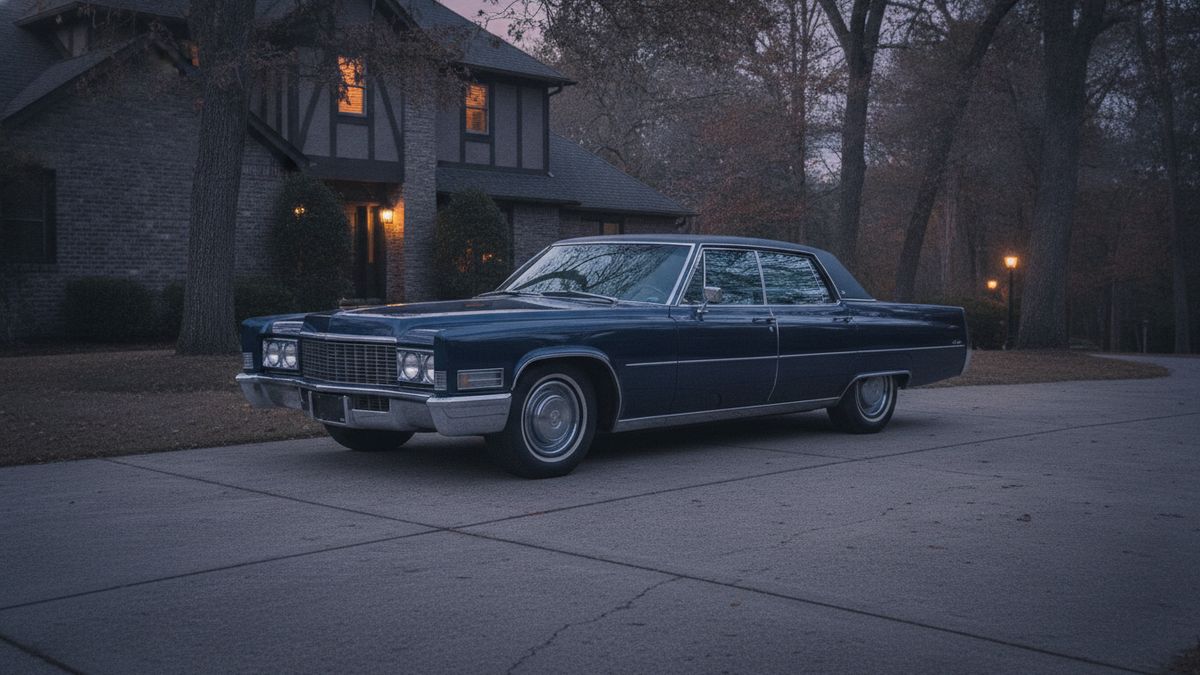
The Question Every Owner of an Aging Car Faces
Your car is 11 years old, it just crossed 210,000 km, and the shop hands you an estimate for $2,400 in repairs. The instinct is to feel trapped: pay up, or start car shopping. But repair or replace isn't a gut decision — it's a math problem with a few safety guardrails. Once you break it into numbers, the right answer usually becomes obvious.
This guide walks through the core rule the pros use, the safety issues that override any cost calculation, how to track your running repair total, and when an older car is still genuinely worth fixing. Every figure below is a realistic Ontario/GTA estimate — actual prices vary by vehicle, parts availability, and shop, so treat them as ballparks, not quotes.
The Core Rule: Repair Cost vs. Vehicle Value
The most useful starting point is the repair-cost-to-value ratio. Look up what your car is actually worth today — a private-sale value from a source like Canadian Black Book or comparable local listings on AutoTrader or Kijiji for the same year, trim, and mileage. Then compare that number to the repair estimate.
A common rule of thumb: if a single repair costs more than about 50% of the car's current value, replacement starts to make financial sense. If your car is worth $6,000 and the repair is $1,500, that's an easy fix — you're spending 25% to keep a running vehicle. If that same car needs a $4,000 transmission, you're pouring in two-thirds of its value in one shot, and the math tilts hard toward replacing.
One important nuance: compare the repair against what the car is worth *fixed*, and against what you'd realistically pay to replace it. A $1,500 repair on a $6,000 car is still cheaper than the down payment, taxes, and higher insurance on a newer vehicle. The bar isn't 'is this repair cheap' — it's 'is this repair cheaper than my next-best option.'
Safety Issues That Override the Math
Some problems aren't negotiable regardless of what your calculator says. In Ontario, safety-related defects can also mean your car won't pass a Safety Standards Certificate inspection, which you need to transfer or re-plate a vehicle. If a car can't be made roadworthy for a reasonable sum, its resale value is effectively scrap.
Treat these as hard stops — fix them immediately or take the car off the road:
- Structural rust — perforation in frame rails, subframe mounts, or rocker panels. GTA road salt is brutal, and rusted structural metal fails safety inspections and can't be safely patched cheaply.
- Brake and steering failures — worn lines, seized calipers, failing rack, or ball joints that are past spec.
- Airbag or SRS faults — a lit airbag light means the restraint system may not deploy.
- Frame or unibody damage from a prior collision that affects crash integrity.
When safety is the issue, the question shifts from 'is it worth it?' to 'can this car be made safe for a sensible amount?' If yes, fix it. If a safe repair costs more than the car is worth, that's your answer to replace.
Track Your Running Total, Not Just This Bill
A single repair rarely tells the whole story. The owners who get burned are the ones who approve $800 here and $1,200 there without ever adding it up. Keep a simple running repair log — date, work done, and cost — for the trailing 12 months.
Here's a practical benchmark: if your repairs are consistently exceeding roughly $250–$300 per month, or a year's worth of fixes approaches the car's total value, the vehicle is telling you it's near the end. A car worth $5,000 that needed $3,500 in repairs over the past year isn't a keeper — it's a money pit that happens to still drive.
Also watch the *pattern*. One big expected repair (a timing chain, a set of struts) on an otherwise solid car is normal aging. But when unrelated systems start failing in sequence — cooling, then electrical, then suspension — it usually signals broader wear, and the bills won't stop. That trend matters more than any one estimate.
When an Older Car Is Still Worth Fixing
Plenty of high-kilometre cars are worth keeping, and replacing too early is its own expensive mistake. A reliable, paid-off vehicle is almost always cheaper to run than a newer one carrying payments, higher insurance, and fresh depreciation. Lean toward repairing when most of these are true:
- The body and frame are solid with no structural rust — mechanical parts are replaceable, a rotted shell is not.
- Your repair total for the year is still well under the car's value.
- It's a routine, high-value fix — brakes, alternator, water pump, suspension, or a timing service — that buys years of service.
- The car has a reputation for going 300,000 km-plus and you've kept up on maintenance.
- You'd otherwise be taking on a car payment you'd rather avoid.
A $1,600 repair that gives you two or three more reliable years works out to a very low monthly cost of ownership — far less than financing a replacement. The goal isn't to keep the car forever; it's to squeeze the cheapest remaining kilometres out of it before the trend turns.
A Simple Decision Framework
Put it together into a repeatable check the next time you're handed an estimate:
- Step 1 — Get the real value. Look up your car's current private-sale value for its exact year, trim, and mileage.
- Step 2 — Apply the 50% rule. Is this repair more than half the car's value? If well under, lean repair. If over, scrutinize hard.
- Step 3 — Check safety. Any structural rust, brake, steering, or airbag issue that can't be fixed affordably is a replace signal.
- Step 4 — Add the running total. Are trailing-12-month repairs approaching the car's value, or is this a one-off? A pattern of failures tips toward replace.
- Step 5 — Compare to your real alternative. Weigh the repair against the true all-in cost of replacing — down payment, tax, insurance, and depreciation — not against a fantasy of a trouble-free new car.
One more thing before you approve any large repair: get more than one estimate. Quotes for the same job vary widely across GTA shops, and an accurate second opinion sometimes reveals the repair is smaller — or larger — than the first shop suggested. Posting your problem on Carpals lets nearby shops send competing quotes so you can see the real price range before you decide, which is exactly the information the repair-or-replace math depends on.
Frequently asked questions
At what point is a car not worth repairing anymore?
A common benchmark is when a single repair exceeds about 50% of the car's current market value, or when your repairs over the past year approach what the car is worth. Structural rust or unfixable safety defects also make a car not worth repairing, since it likely won't pass an Ontario safety inspection.
How much does a major car repair cost in the GTA?
It varies widely by vehicle and shop, but as rough Ontario estimates: brakes often run $300–$800 per axle, an alternator $400–$900, a timing belt/chain service $800–$1,800, and a transmission replacement $3,000–$6,000 or more. These are ballparks — the only accurate number is a quote for your specific car, and comparing a few shops is the best way to see the real range.
Is it cheaper to repair an old car or buy a new one?
Usually repairing is cheaper in the short and medium term. A paid-off older car avoids car payments, lower depreciation, and often lower insurance. Replacement only wins financially when repairs become frequent, the car is unsafe, or a single fix costs more than the vehicle is worth.
Should I fix a car with high mileage?
High mileage alone isn't a dealbreaker — many vehicles run reliably past 300,000 km with maintenance. What matters more is the condition of the body and frame, whether repairs are one-off or a worsening pattern, and how the repair cost compares to the car's value. A solid, rust-free high-mileage car is often worth fixing.
Stop calling around — post your job and let shops compete
Describe your car problem once and nearby shops send you competing quotes. Free for customers — no booking fees, and you pay the shop directly.